
US and Israel Launch Unprovoked Strike on Iran Killing Supreme Leader Ali Khamenei
POLITICSWAR & CONFLICT
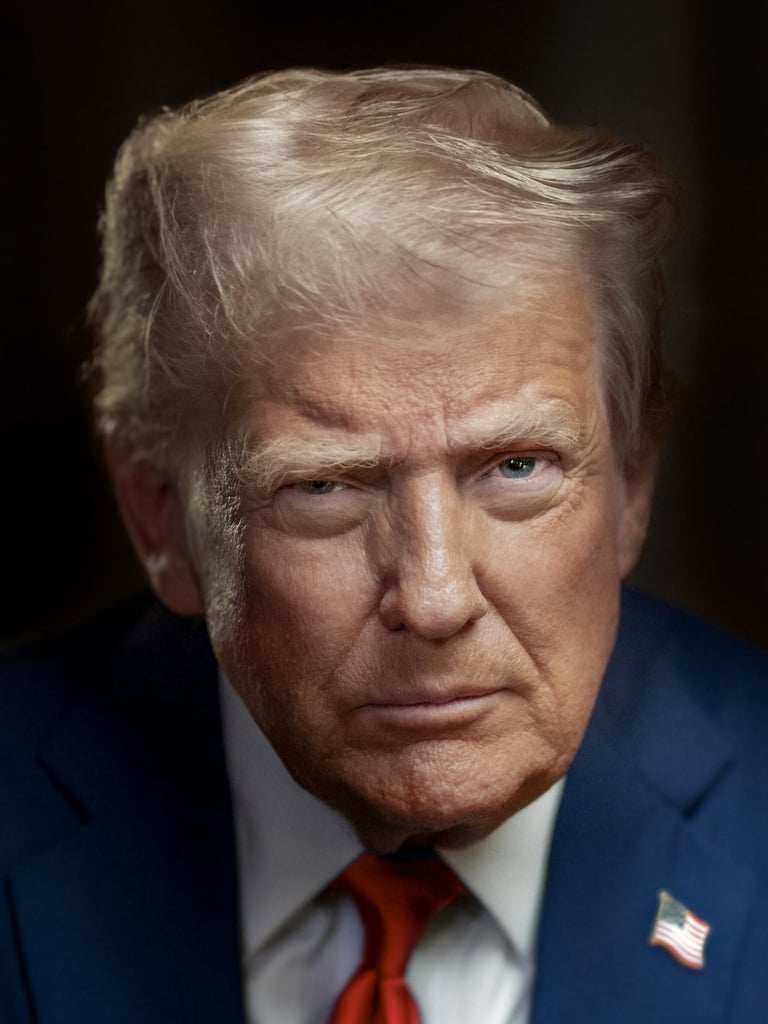
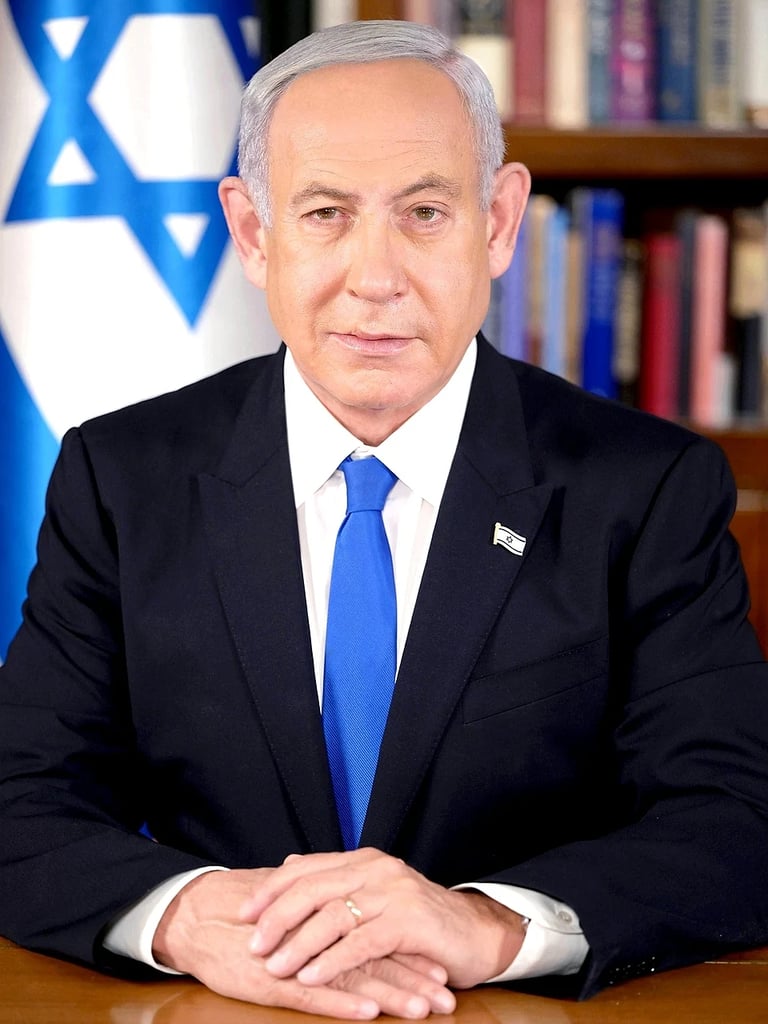
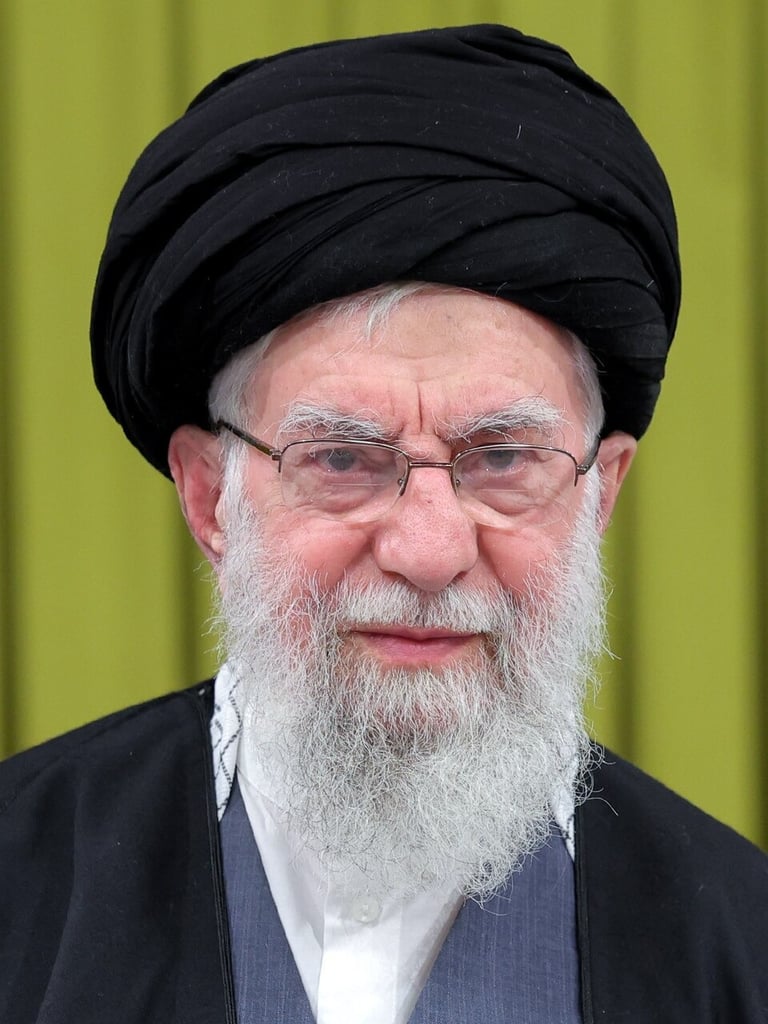
On February 28th 2026, the armed forces of the United States and Israel executed an unprovoked military strike on Iran. This operation was launched without prior provocation. It targeted a fortified compound situated on the outskirts of Tehran. Defense department officials confirmed that US aircrafts bypassed regional defense systems to deliver precision munitions. The bombardment successfully penetrated deep underground bunkers utilized by the uppermost echelon of the Iranian government. Authorities confirmed hours later that the airstrikes resulted in the assassination of Supreme Leader Ali Khamenei. The abrupt death of the most powerful political figure in Iran has precipitated a severe power vacuum across the broader Middle East. Intelligence analysts noted that nobody anticipated this magnitude of direct military intervention without any prior warning or escalating diplomatic tensions.
Shortly after the intelligence was declassified, President Donald Trump addressed the press corps from the White House briefing room. He commended the joint military operation. He characterized the mission as a necessary defensive measure for 'global security and world peace'. During his remarks Trump diverged from standard briefing protocols. He explicitly called for immediate regime change in Iran. He asserted that the Iranian populace requires a completely new government structure. He added that the current theocratic leadership must be dismantled immediately. Trump pledged that the United States would provide strategic backing to citizens inside Iran who seek to topple the remaining government apparatus. He declined to outline specific parameters regarding how America would actively support these civilian factions.
This military maneuver has baffled numerous political analysts and domestic voters in Washington. Trump constructed his entire political identity on the fundamental doctrine of putting America first. His campaign rhetoric consistently promised to cease expending American capital and military personnel on foreign entanglements. Initiating an unprovoked assault on a sovereign foreign power contradicts the foundational promises he made to his core political base. Some Democrat and Republican lawmakers are currently demanding justification for why military force was deployed in this specific instance. There was no verified or imminent threat to American soil before the bombers were authorized to strike. Geopolitical experts emphasize that this sudden offensive mirrors the interventionist foreign policy choices of previous administrations that Trump previously denounced. Several prominent members of his own political party have publicly requested a comprehensive briefing regarding this sudden shift in military strategy.
The escalating situation also refocuses international scrutiny on the historical military posture maintained by Israel. The Israeli government possesses a documented history of initiating preemptive military operations against neighboring territories. This latest joint offensive with the United States is characterized by numerous international human rights organizations as another major instance of Israel exacerbating regional volatility. Many argue that this persistent reliance on military force generates deeper hostilities. They also warn that it nullifies any viable prospects for lasting peace in the Middle East. The Israeli defense ministry issued a brief communique confirming their aviators participated in the bombing campaign but they declined to answer questions regarding the precise timing of the strike. Border security apparatuses across Israel have been elevated to maximum readiness in anticipation of retaliatory ballistic missile fire.
The diplomatic response to the sudden strike has been swiftly and universally critical. The vast majority of allied nations have vehemently condemned the unprovoked attack. Heads of state from European nations issued joint official statements denouncing the sudden application of deadly force. They cautioned that bypassing international law establishes a dangerous precedent for global security. Governments across Asia expressed profound apprehension regarding the stability of the global energy supply chain. A significant percentage of the world relies on petroleum that transits by maritime shipping routes directly past the Iranian coastline. Foreign diplomats representing Russia and China warned that assassinating a leader like Khamenei without provocation could easily trigger a broader global conflict. Emergency security summits are currently underway at the United Nations headquarters in New York. The UN Security Council is desperately attempting to mitigate the escalating crisis to prevent any further bloodshed.
Global financial markets experienced immediate volatility following the Pentagon announcement. The commodity price of crude oil surged within minutes of the official confirmation. Stock exchanges around the world commenced trading with catastrophic losses as institutional investors panicked over the prospect of a prolonged regional war. Commercial aviation authorities have already mandated the cancellation of flights traversing anywhere near Middle Eastern airspace. Inside the United States domestic military installations have been elevated to high alert status. Security protocols at major government facilities and national monuments have been visibly reinforced. Local law enforcement agencies in major metropolitan areas are deploying additional tactical patrols strictly out of an abundance of caution.
Field reports originating directly from Tehran indicate that the capital city is currently gripped by panic. State television networks interrupted their scheduled programming to formally announce the sudden death of Khamenei. The broadcast featured somber music accompanied by archival footage of the late leader while military commanders publicly vowed severe retaliation. Iranian military personnel are currently actively patrolling civilian neighborhoods in formidable numbers. The ruling government has completely severed major internet services to control the dissemination of information and prevent dissident groups from organizing street protests. Ordinary citizens are rushing to local markets to hoard all available essential provisions. Fuel stations feature queues stretching for several miles because residents fear a protracted conflict is imminent. Major transit arteries leaving the capital city are paralyzed by massive traffic congestion as families attempt to evacuate potential secondary bombing targets. The Assembly of Experts in Iran is constitutionally mandated to convene to select a new Supreme Leader but nobody knows when or where that critical assembly will occur given the current security environment.
Synoptic News © 2026
Synoptic News empowers the idea of true, unbiased and even risky news.