
Suriname's Regression: Old Dictatorship Ties and a Renewed Economic Collapse
POLITICS
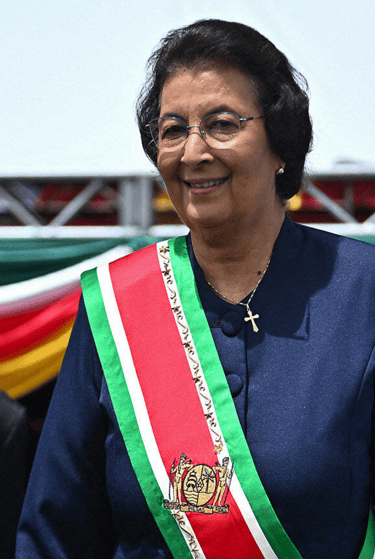
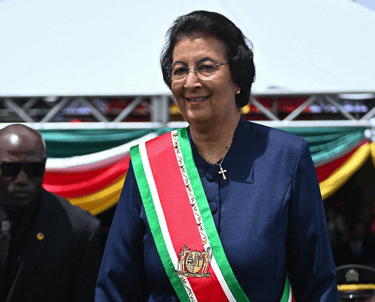
For a brief window, Suriname appeared to be turning a corner. Under the administration of Chan Santokhi, there was a palpable sense of stabilization as the nation attempted to claw its way out of structural debt and restore international investor confidence through historic deals through BRICS, CARICOM and more. But that momentum has been effectively halted, with the return of the National Democratic Party. The NDP is the same political apparatus birthed by the country’s former military dictatorship. Suriname is not just stagnating; it is rapidly sliding back into the familiar, destructive patterns of its past.
President Jennifer and her administration are currently overseeing a crisis that feels eerily reminiscent of the era that long defined the party’s grip on power. The promises of progress have been replaced by systemic failure, most visibly in the country's collapsing energy grid and increased crime rates. Frequent, unexplained power cuts have crippled commerce and daily life, yet there is zero transparency regarding the government's handling of the sector. There is no official budget presented to the public, leaving citizens to wonder where the country’s limited resources are actually going.
The irony is not lost on the electorate: while the current President and Vice President are quick to claim credit for deals and stability initiatives brokered during the Santokhi years, their own policies are actively dismantling the foundation of those very successes. The most striking example is the handling of offshore oil prospects. Lucrative, high-stakes oil deals, the very projects that were supposed to be the bedrock of Suriname’s economic recovery, are being modified or removed, stripping the country of its future leverage and long-term revenue potential.
The economic reality on the ground is grim. Inflation is spiraling, and the local currency is in a death spiral. It has become so volatile that the US dollar is effectively replacing the Surinamese dollar in day-to-day transactions, forcing the population to "dollarize" their own finances just to survive the devaluation. This is the classic signature of a government that has lost control of its monetary policy and by extension, the trust of the international markets.
At the heart of this collapse is the inescapable legacy of the party in power. It is a party historically built upon the foundation of a dictatorship that was responsible for deep-seated corruption and human rights abuses. For many, the return of this specific faction was a warning sign that the old, exclusionary and opaque methods of governance would return. Critics of the government argue that the current chaos is not merely a string of policy errors but it is the natural consequence of re-empowering a political structure that has never prioritized transparency, fiscal responsibility or the rule of law.
As the currency dives and the lights continue to flicker out across the country, the administration remains stuck in a cycle of rhetoric rather than action. They operate in the shadow of a dictator’s legacy, taking credit for the work of their predecessors while presiding over a dismantling of the state’s financial stability. For a nation that was so close to reclaiming its economic independence, the current trajectory is a stark reminder of the cost of nostalgia for a political past that was defined by anything but stability.
Synoptic News © 2026
Synoptic News empowers the idea of true, unbiased and even risky news.